
Getting On · 30%
Tunde
“I've watched it from the other side. My operations manager, Steve, is thirty-four … what he gets wrong is the idea that because I'm quick in a meeting I'm hard to tell things to.”

For inclusion and employee experience leaders
Generation X, born around 1965 to 1980.
I am this generation. Maybe you are, too.
About one in three people in work in the UK were born between 1965 and 1980.
The average age of a FTSE 150 chief executive.
1 in 3. My estimate. 14.1 million people in the UK were born between 1965 and 1980, and 79% of them are in paid work (European Social Survey, 2018 to 2023). That is about 11 million, against 34.3 million people in employment (ONS). Two sources, so treat it as approximate. Your own share will differ.
56. The Spencer Stuart UK Board Index 2025 puts the average age of chief executives at the 150 largest listed companies at 56.2. Chief financial officers average 53.3.
Who controls British companies. By my September 2026 count from Companies House, 42.4% of controlling positions at companies above the small-company threshold are held by people born between 1965 and 1980. It counts positions, not people. Across all companies the figure is 38.6%.
Four in five in paid work, two in a hundred retired. European Social Survey, 2018 to 2023, as set out in The Evidence.
The population and employment figures The Companies House count Spencer Stuart UK Board Index 2025
Where they came from
They grew up and started work in a world before the internet and a computer on every desk. Now they have AI in their pockets. Few people in your organisation have more experience of change.
Where they are going
Four in five are in paid work. Two in a hundred have retired.
But they don't all want the same future. Some want a bigger job and some want independence. Some need security. Some are caring for a parent or managing their own health.
Meet the Five
Five invented people. Five very different ways of seeing work and life. Each represents a distinct share of Britain's Generation X.
You can ask them the same question and compare their answers. Or question one of them more deeply.
Behind them are five attitudinal profiles identified from 1,276 British interviews in the European Social Survey, and more than 300 sourced entries tracing how this generation's lives have changed since 1976. Each has a detailed fictional life story, running to around 40,000 words, informed by the survey profiles and historical evidence. That is why their answers hold together from one question to the next. They are also given a daily news briefing, so you can ask them about this week.
Their responses are generated by AI. They illustrate different perspectives. They are not research findings or substitutes for speaking to real employees. Percentages are each attitudinal group's estimated share of this generation in the survey, not of any employer's workforce.
We put the same question to all five
“Your manager is fifteen years younger than you. What do they get wrong about you?”
Getting On · 30%
“I've watched it from the other side. My operations manager, Steve, is thirty-four … what he gets wrong is the idea that because I'm quick in a meeting I'm hard to tell things to.”

Steady and Caring · 26%
“I think he sees someone who knows the building and doesn't want anything more from it. He's never asked what I'd do with the fifth day if I had it back, and he took it that I never wanted his job.”

Free Agents · 19%
“The operations director who hires me now is 41, and I notice it every time. What he gets wrong is assuming I'll want to take over the room.”
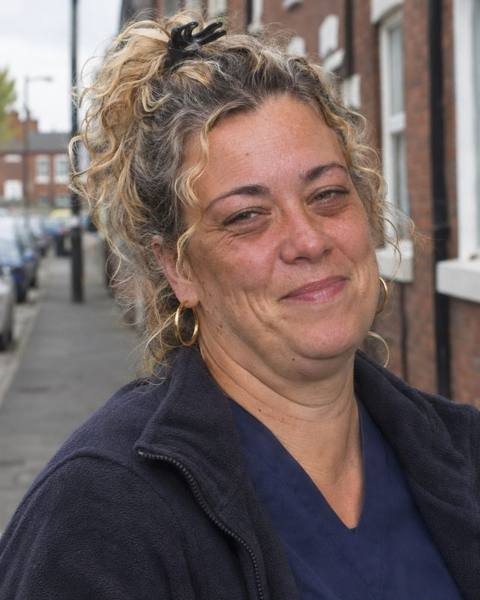
Squeezed · 13%
“Aisha's twenty-six … She thinks I'm steady, and I am on the till. What she gets wrong is thinking that means I'm fine. I say yes to the Sunday and the close because I need the hours, and she hears someone who doesn't mind.”
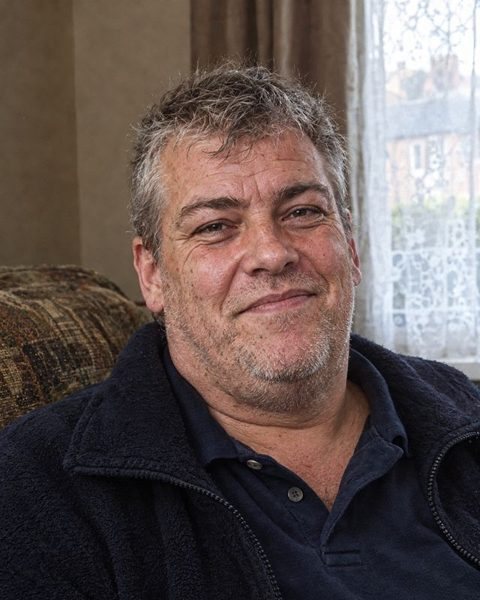
Health-Hit · 12%
“Craig thinks I'm steady, and that's as far as he's looked … He's never asked what I know, and I've twenty-seven years of boilers in my head that the plumbers use every morning for nowt.”
Or try one of these:
Their answers are written by Claude, Anthropic's AI, from the survey data. Each one is an illustration, not a finding. Questions are kept; who asked is not, unless you give your email.
Example questions.
That's ten questions, the limit for each visitor. Every answer costs money to run. If you'd like my next piece by email, leave your details. It won't unlock more questions.
If these five people worked for you, would you know what each wanted? Or would you make decisions based on their age, grade and career history?
What it costs you
Five places to look in your own organisation.
In an English field experiment, matched applications went to 190 restaurant, café and sales vacancies. The 28-year-old received 67 interview invitations; the 50-year-old, with more experience, received 37. This tested those occupations, not senior recruitment. Source and limitations
In a 2024 Totaljobs survey, 59% of 1,000 HR decision-makers admitted making assumptions based on age.
Just over half of the people who left their last job in their fifties or early sixties left for ill health, caring or redundancy. Source
The person may no longer want what their career history suggests. Is your understanding current, or based on what their career histories suggest they ought to want?
Organisations don't have to tell people to conform. People learn what gets rewarded, what gets called difficult and what is safer left unsaid.
Early on, I sat in a meeting while a senior colleague tore into my team over things I knew were untrue. I said nothing. I'd been told to let him have his way and patch it up afterwards.
I lost the team's trust that day, and I deserved to.
It did not feel like surrender. It felt like being sensible.
At 46, it is about twenty years to State Pension age. Four in five of this generation are in paid work. The figures
What to do
Age profiles reveal who works for you. Surveys can show patterns. Succession plans identify who might step up. None tells you, on its own, what people have learnt to keep to themselves or what they want now.
I look at what organisations reward, what their experienced people actually want, and where the two no longer meet.

I'm Magnus Wood. I've been a Managing Director, Chief Strategy Officer, Chief Marketing Officer and board director. I've led a 200-person business, built teams, developed leaders and made decisions about performance, promotion and change.
Most recently I was People Director at Tetra, a private equity-backed consultancy. I was brought in to work one-to-one and collectively with the Board to address individual and collective performance issues. I stood up and developed the newly formed senior leadership team. I led internal communications through a period of growth and structural change. Marketing was added later, and I became Chief Marketing Officer. The company was named Wellbeing Employer of the Year.
I know what organisations ask of their people because I've been responsible for asking it. I also know what happens when experience that was valuable inside an organisation becomes difficult to use outside it.
That's the perspective I bring to Gen X at Work. More about me
Thirty minutes on Teams
Bring one question about your experienced workforce. We'll examine what you know, what you may be assuming and what would be worth finding out. You'll leave with the questions worth asking inside your own organisation, whether or not we speak again.
From £1,750
A talk drawn from my report, The Wasted Generation. It is about experience that organisations pay for and then fail to use.
Forty-five minutes and questions, for conferences and employee networks.
£2,500
Understand what your workforce data reveals, the assumptions behind it and where to investigate further.
What you send. Headcount by five-year age band, and leavers and promotions by band for the last two or three years if you have them. Aggregated figures only. I'll sign your NDA.
What you get. A written read of your age profile against the national picture, and where leavers and promotions differ by age. Then a 30-minute call on what to look at next.
How long. Five working days.
The £2,500 comes off the leadership session or the listening exercise if you book within 60 days.
£5,000–£8,000
Examine what your organisation rewards, what it discourages and what that means for leadership.
Format. Half a day with your senior team, up to 12. Or a three-hour module in your manager programme, for up to 20 managers of any age.
What you get. For your senior team, a written note of what was agreed. For a programme cohort, a one-page summary of the themes managers raised. Both within five working days.
Price depends on format and group size.
£10,000–£12,000
Structured, confidential conversations with experienced employees, followed by analysis and a leadership readout.
What happens. Four groups of six to eight managers, mixed by function, with nobody in the room with their own line manager. 90 minutes each, off-site or online.
What's kept private. No recording. Nothing is reported unless three or more people raised it. No quote that could identify anyone.
What you get. One written report, the same for you and your leadership team, and a readout to the executive team.
How long. Four to six weeks from booking to readout.